AXIS - Designing the Platform Powering Modern Streaming Services

Designing a scalable OTT platform that balances standardisation with flexibility across global broadcasters.
Problem
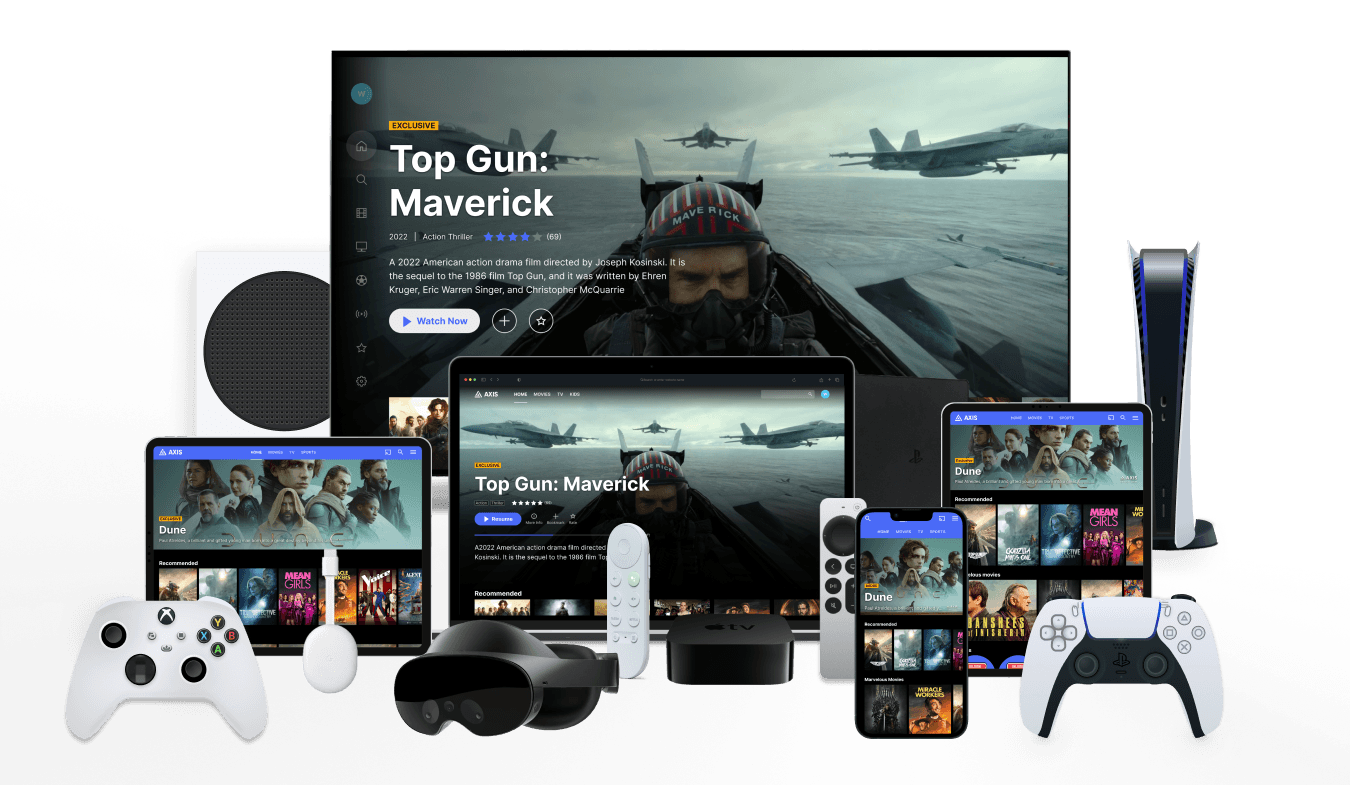
AXIS faced declining market appeal due to outdated codebases and significant cross-platform inconsistencies. Design documentation was misaligned with front-end platforms, causing confusion regarding "out-of-the-box" capabilities versus costly customisations. This technical debt increased development costs and caused project overruns for new client launches.
Context
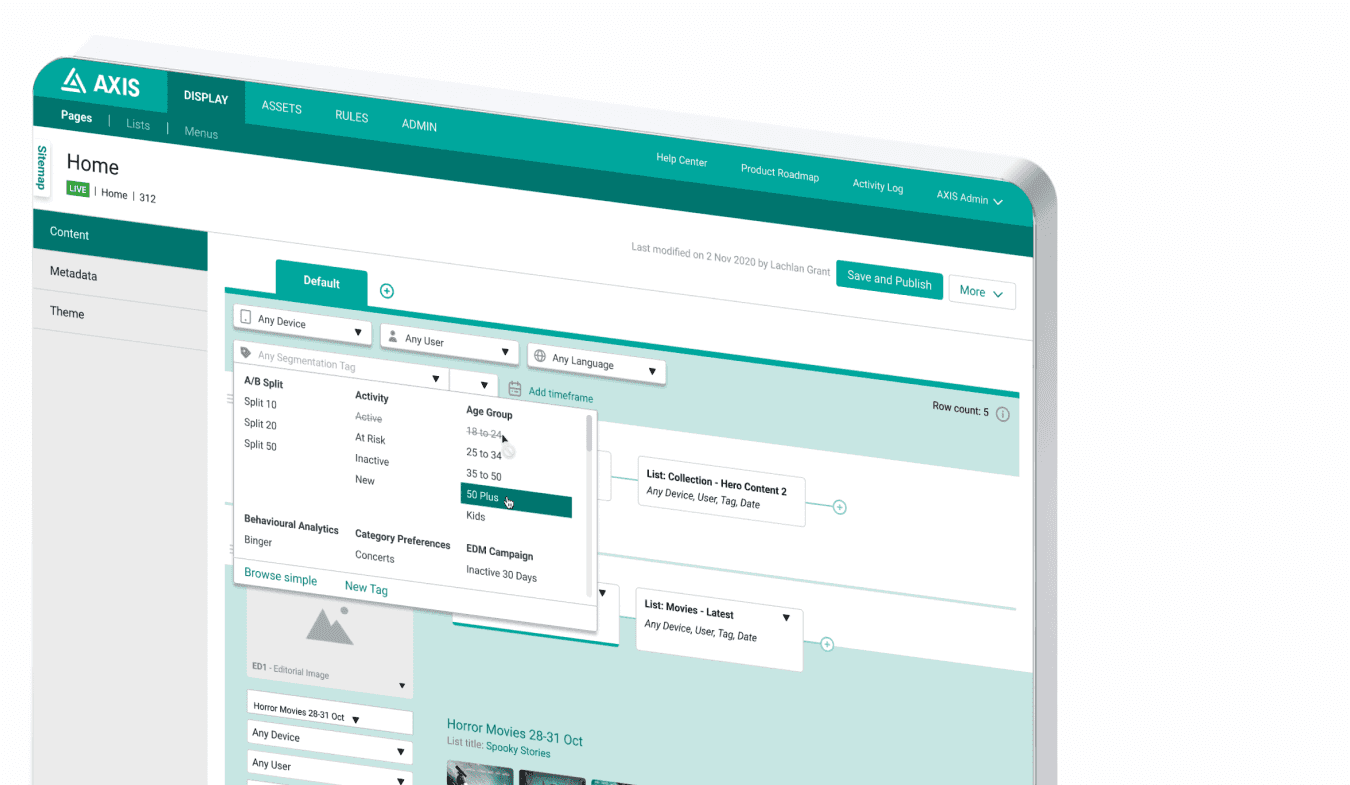
AXIS is a market-leading white-label infrastructure powering streaming services for global broadcasters and sports leagues, including the BBC, beIN Media Group, and Rogers Sportsnet. The ecosystem supports seven platforms across Web, Native Mobile, and TV devices. We recently refocused the platform to serve the specific high-scale requirements of telcos and broadcasters, moving beyond simple sports apps into full-scale entertainment ecosystems.
My Role
As Head of Product Design, I led the strategic transformation of AXIS from a visual service into a scalable product ecosystem. I established the unified design strategy and aligned product, engineering, and commercial teams to improve delivery speed. My focus was shifting design from a visual layer to a core business driver for monetisation and discovery.
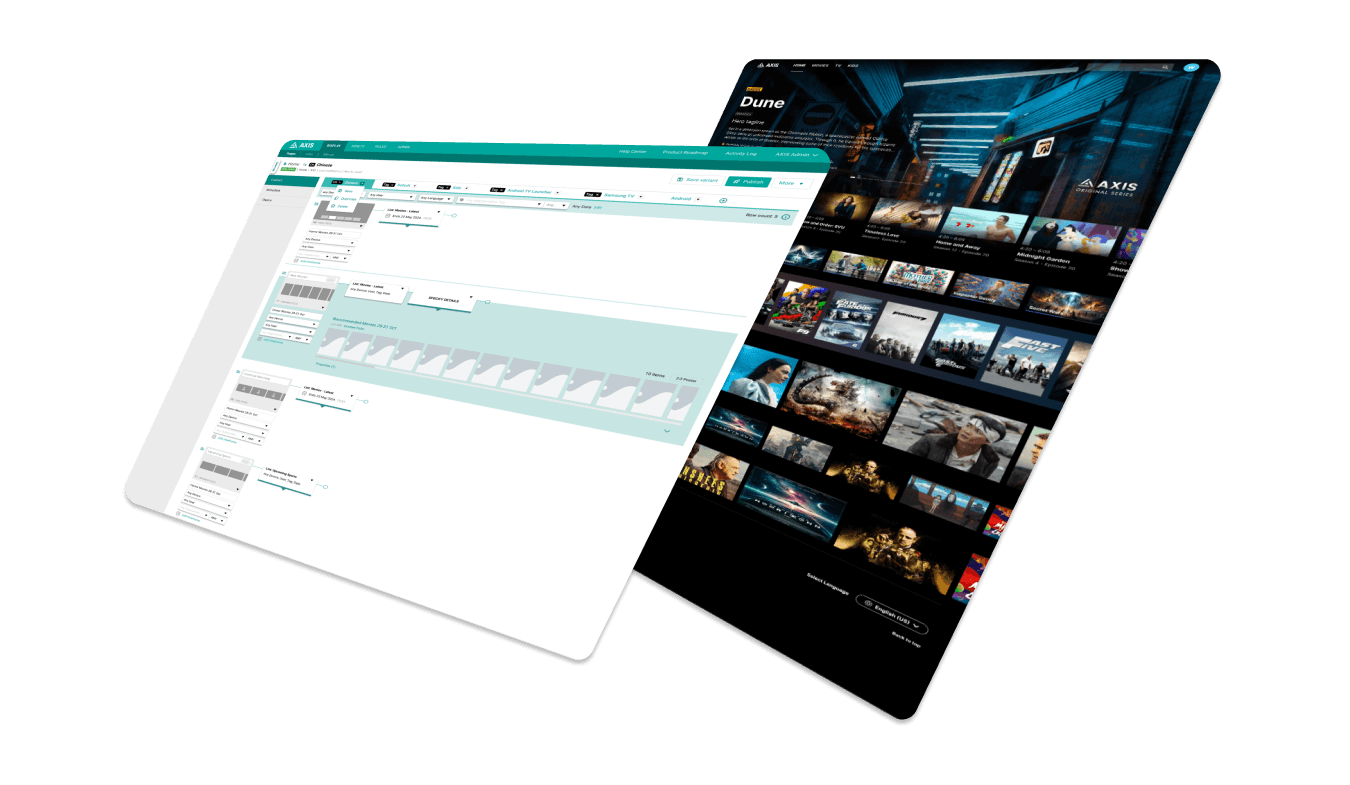
Evolving the system into a platform
As Head of Product Design, I have led the evolution of AXIS into a scalable product ecosystem.
My role included:
Defining platform design strategy
Evolving the existing design system into a scalable architecture
Leading the adoption of a Critical User Journeys (CUJs) approach
Aligning design with product, engineering, and commercial teams
My focus was on transforming it into:
A core platform capability that scales across clients, teams, and use cases.
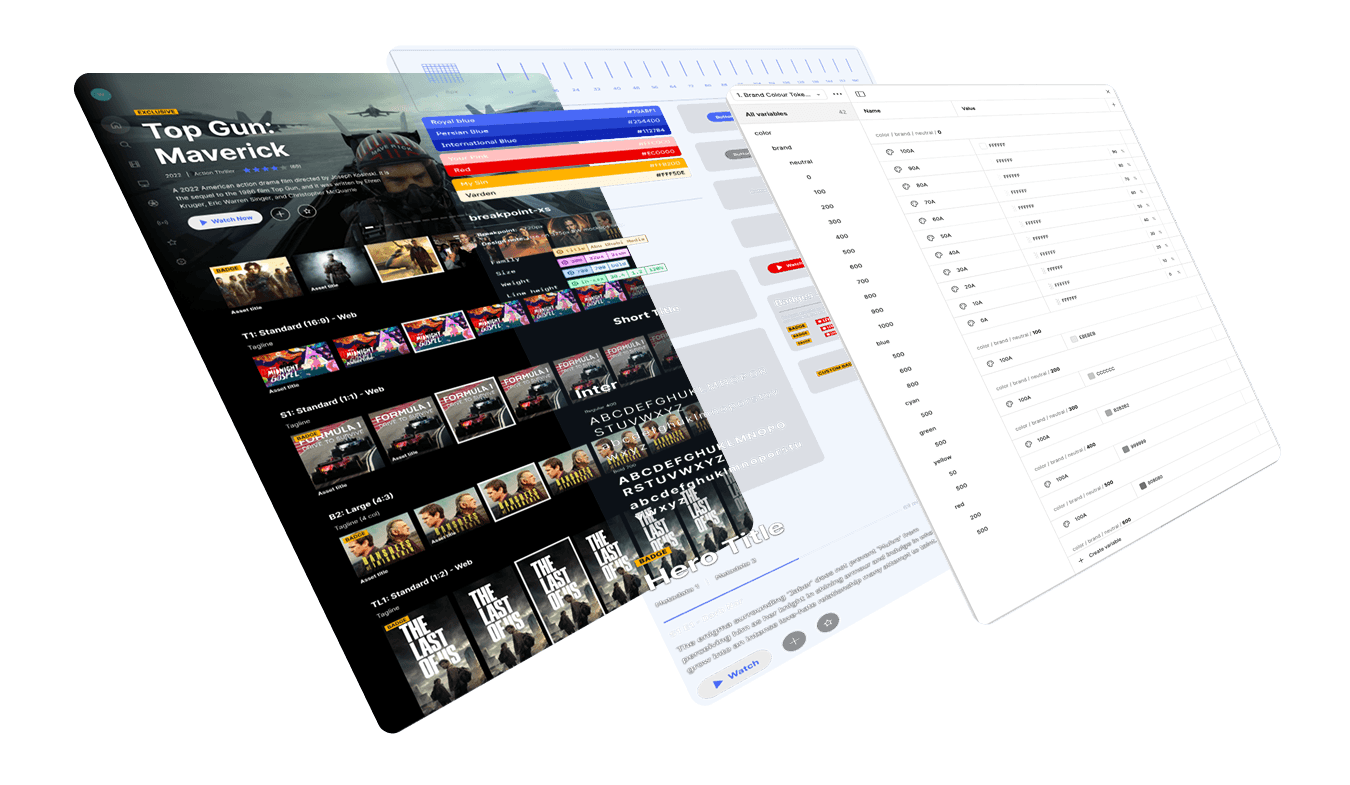
Key Design Decision
Evolving the design system
AXIS includes a design system built on a token-based architecture (primitive → semantic → component), aligned closely with engineering workflows. This decoupled visual identity from structural logic, enabling no-code skinning while maintaining codebase integrity
My role has focused on evolving this system to support scale, flexibility, and delivery speed.
This evolution enabled:
More robust and scalable theming across multiple clients
Clear alignment between design and front-end implementation
Faster onboarding of new products and brands
When onboarding a new client:
Designers update the design system
Export tokens as structured JSON
Push to GitHub for front-end implementation
This creates a direct bridge between design and development, enabling:
Consistent implementation across platforms
Reduced engineering overhead
Significantly faster delivery for clients
The design system moved from a UI toolkit to a core platform capability.
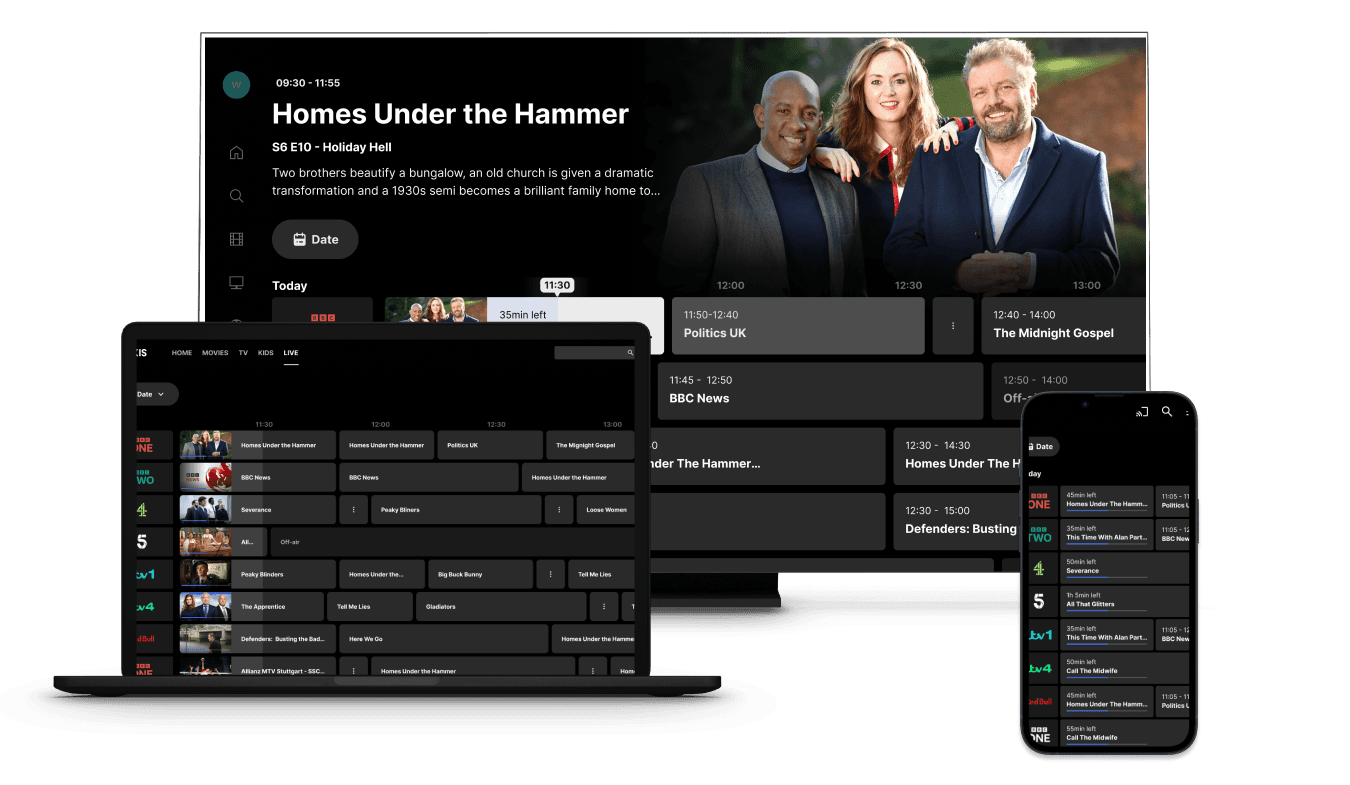
Reimagining the EPG
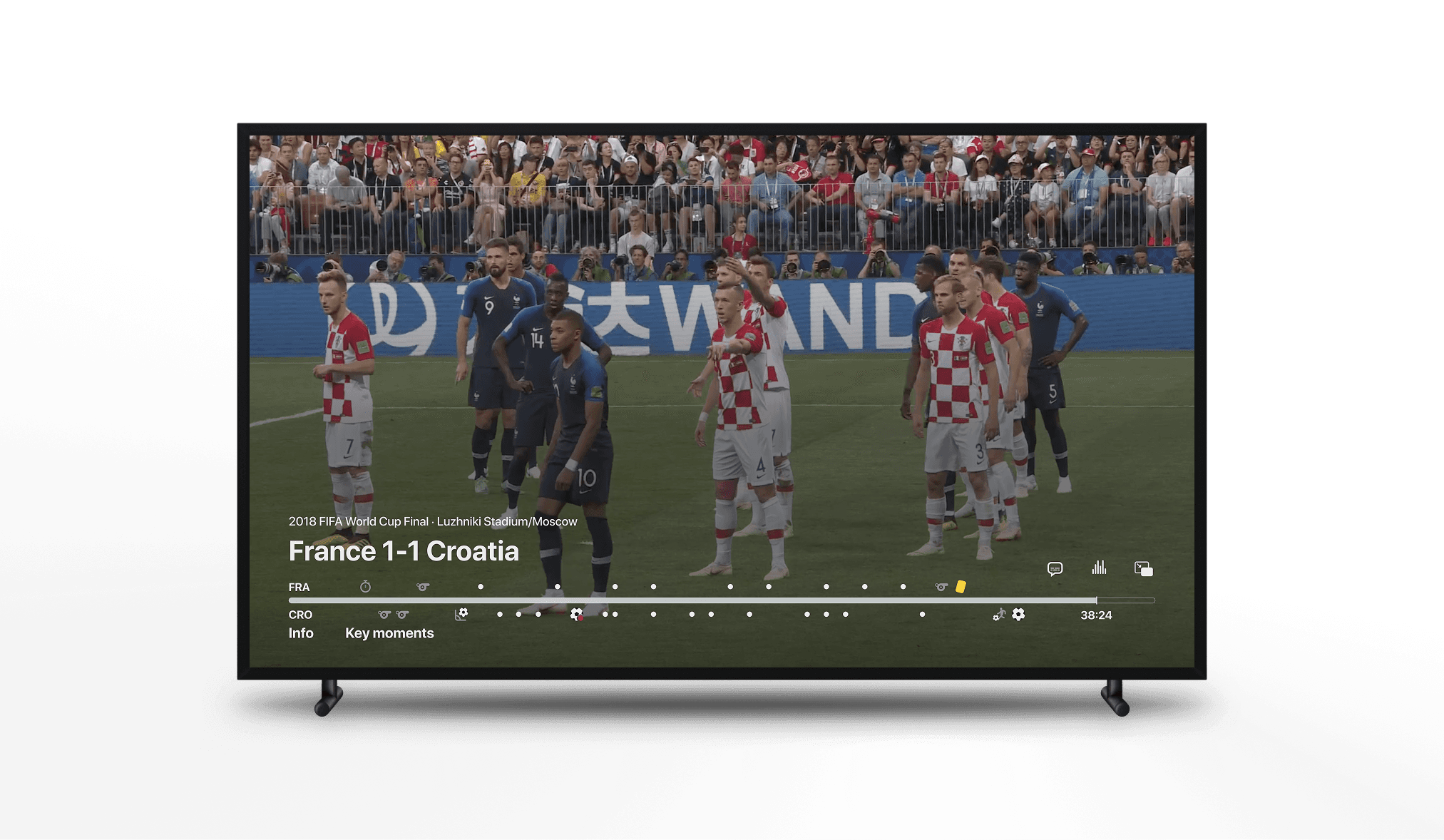
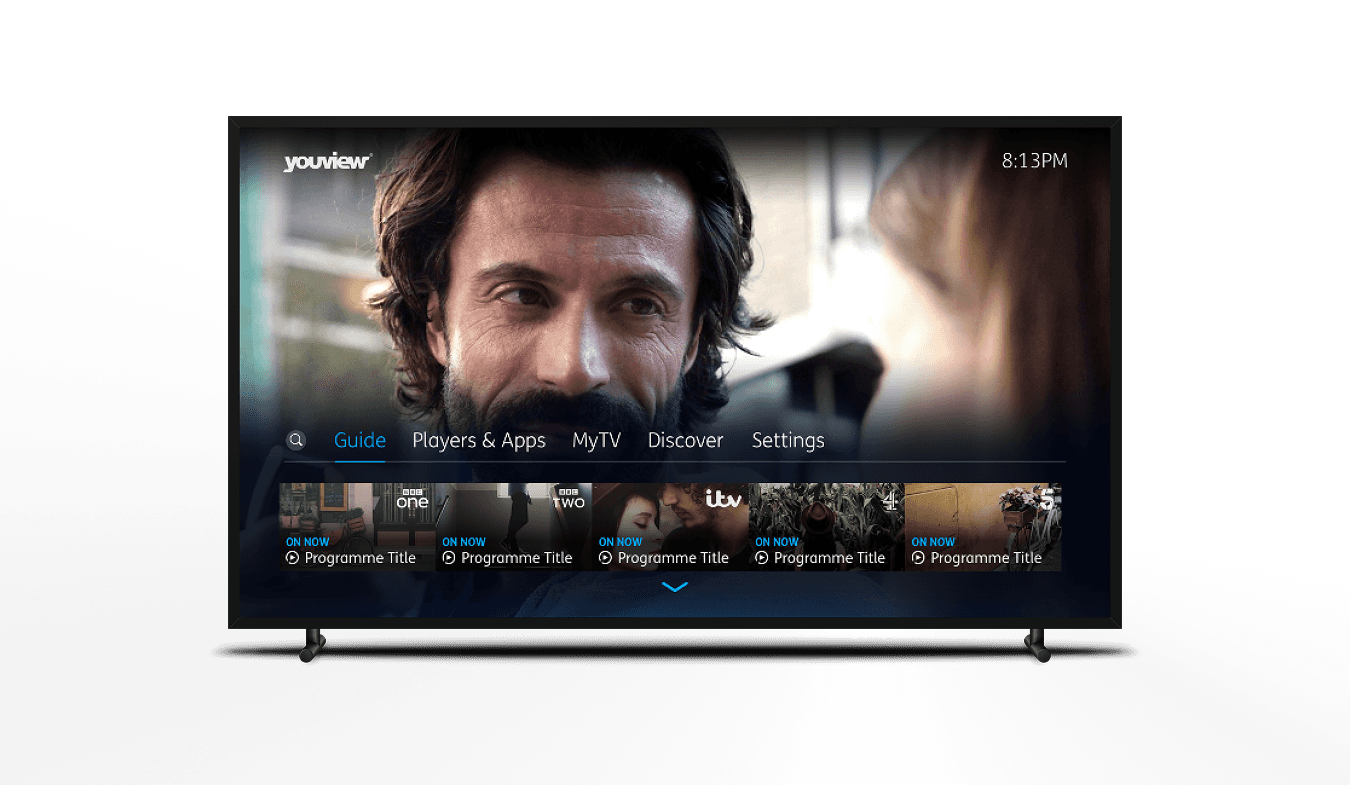
I led the redesign of the Electronic Programme Guide (EPG), shifting it from a static scheduling tool to a primary entry point for discovery. The new grid format supports 100+ channels with seven days of scheduling data, maintaining performance parity even on lower-powered TV sets.
DIVA Interactive Integration
We established the DIVA interactive player as the default player, reducing time-to-market. This "plug-and-play" integration enables video playback within UI surfaces like the EPG and hero rows to increase interactivity.
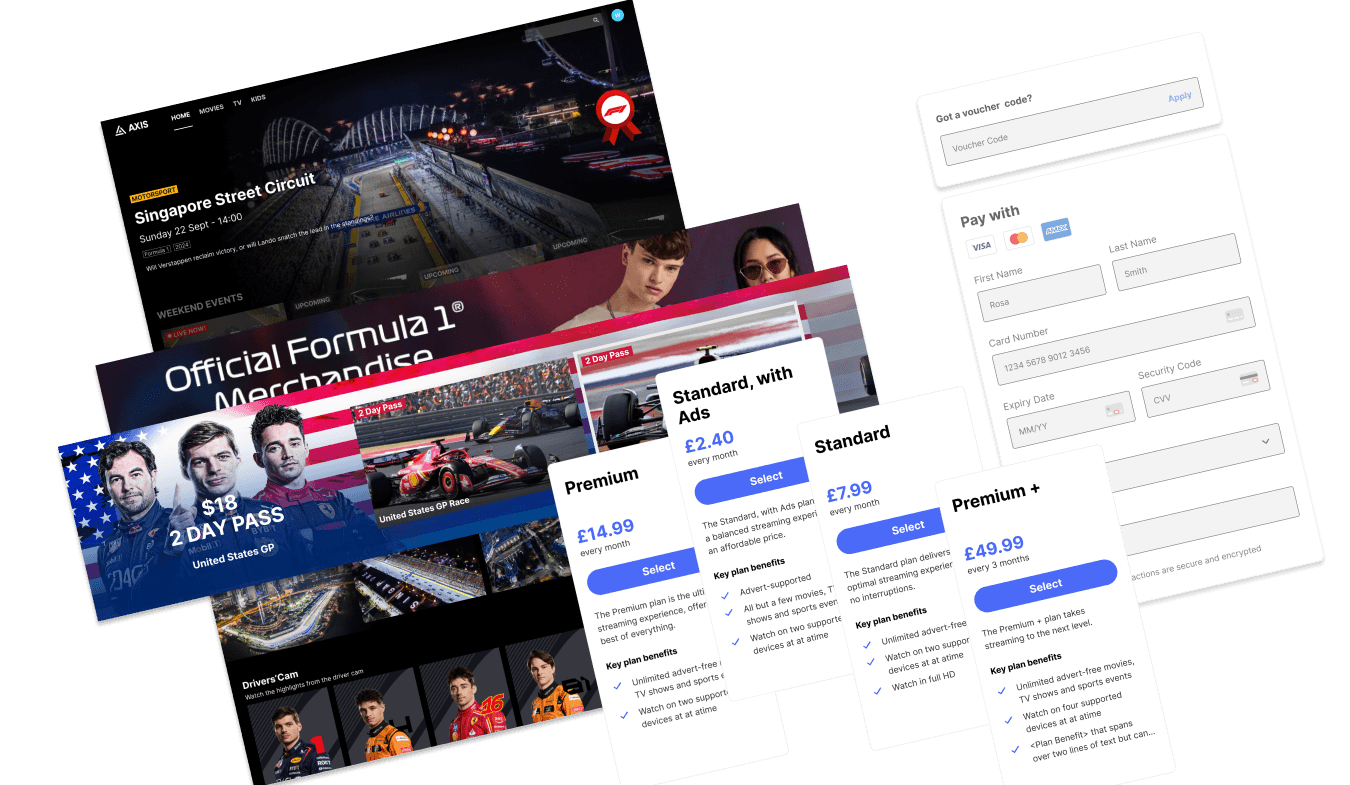
Strategic Monetisation Engine
I led the design of high-visibility ad surfaces, including Full App Takeovers and sponsored rails. These allow the entire UI—backgrounds, fonts, and icons—to shift in real-time to align with a sponsor’s identity.
Subscription & API Evolution
We designed a unified account framework to support reader app subscription status and complex entitlements. This was built atop AXIS 10.0, which modernised the underlying technology stack for simplified deployment
Outcomes
We delivered a modular system of over 1,800 precise components and 50+ cross-platform UI modules. The AXIS 10.0 re-architecture successfully transitioned the platform to updated APIs, facilitating easier adoption of platform upgrades and reducing long-term technical debt.
Impact
AXIS-powered platforms now reach over 1 billion users globally. The design-led strategy contributed to Rogers Sportsnet achieving a 4.5+ App Store rating and DR TV ranking as the top streaming brand in Denmark, surpassing Netflix. By treating design as infrastructure, we enabled global telcos and broadcasters to reduce technical costs while significantly increasing user engagement.
The move to a system-driven architecture reduced delivery complexity and enabled faster time-to-market, increased scalability and more predictable releases. A clear example was the launch of LBA (Italian Basketball). Using the platform architecture and design system, we reduced delivery timelines from months to weeks, demonstrating the value of platform-led design.