Reimagining linear TV discovery for mobile devices

YouView Mobile redefined how users interact with television by introducing a faster, touch-first interface for discovery and control. It transformed a constrained, hardware-led experience into a connected, multi-device platform.
Problem
Linear TV discovery was optimised for the living room, not for mobility.
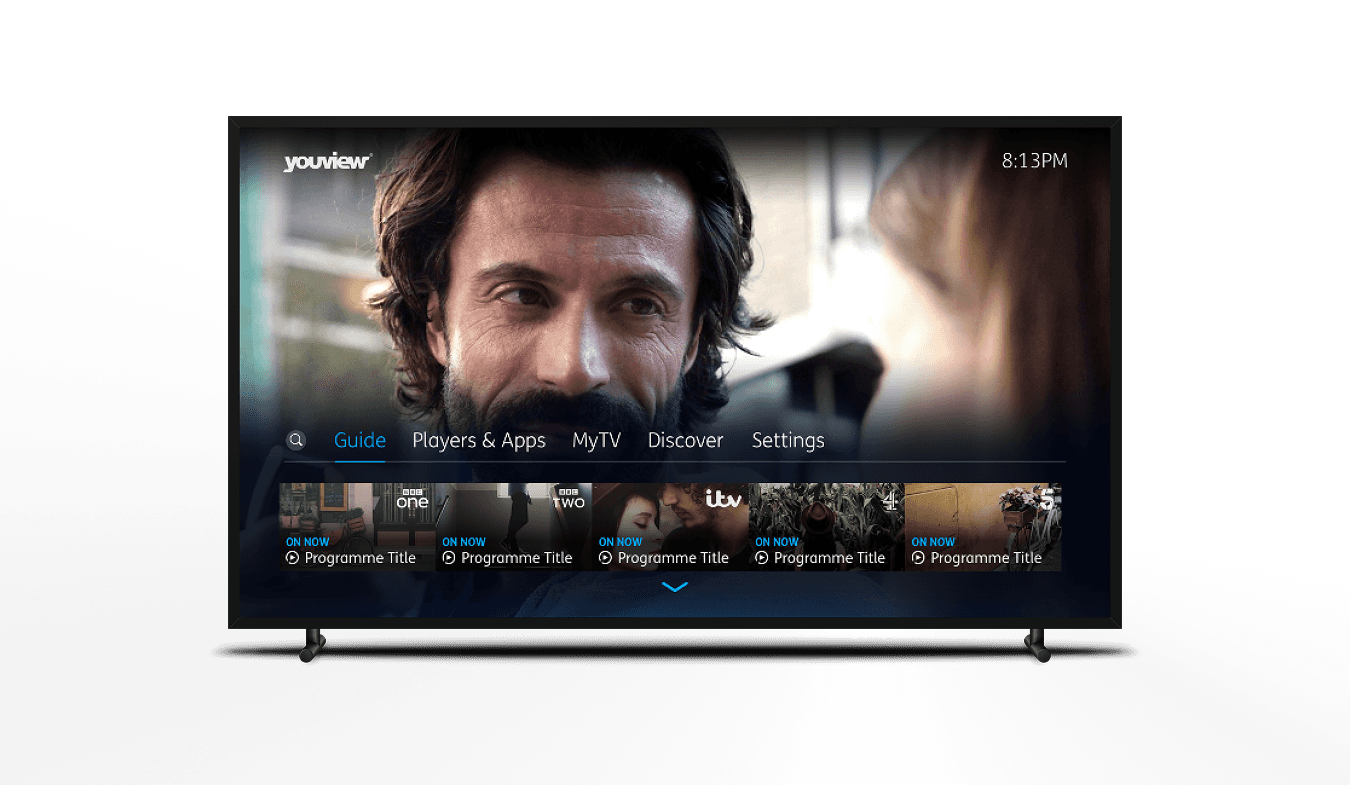
The YouView set-top box relied on d-pad navigation and multi-step interactions. This made browsing slow, search cumbersome, and content discovery inefficient. At the same time, audience behaviour was shifting towards second-screen usage and on-demand control.
The challenge was to extend the TV experience beyond the set-top box, while maintaining the simplicity expected from public service broadcasting.
Context
YouView operated within a highly regulated UK broadcast ecosystem, with strong accessibility commitments across public service broadcasters.
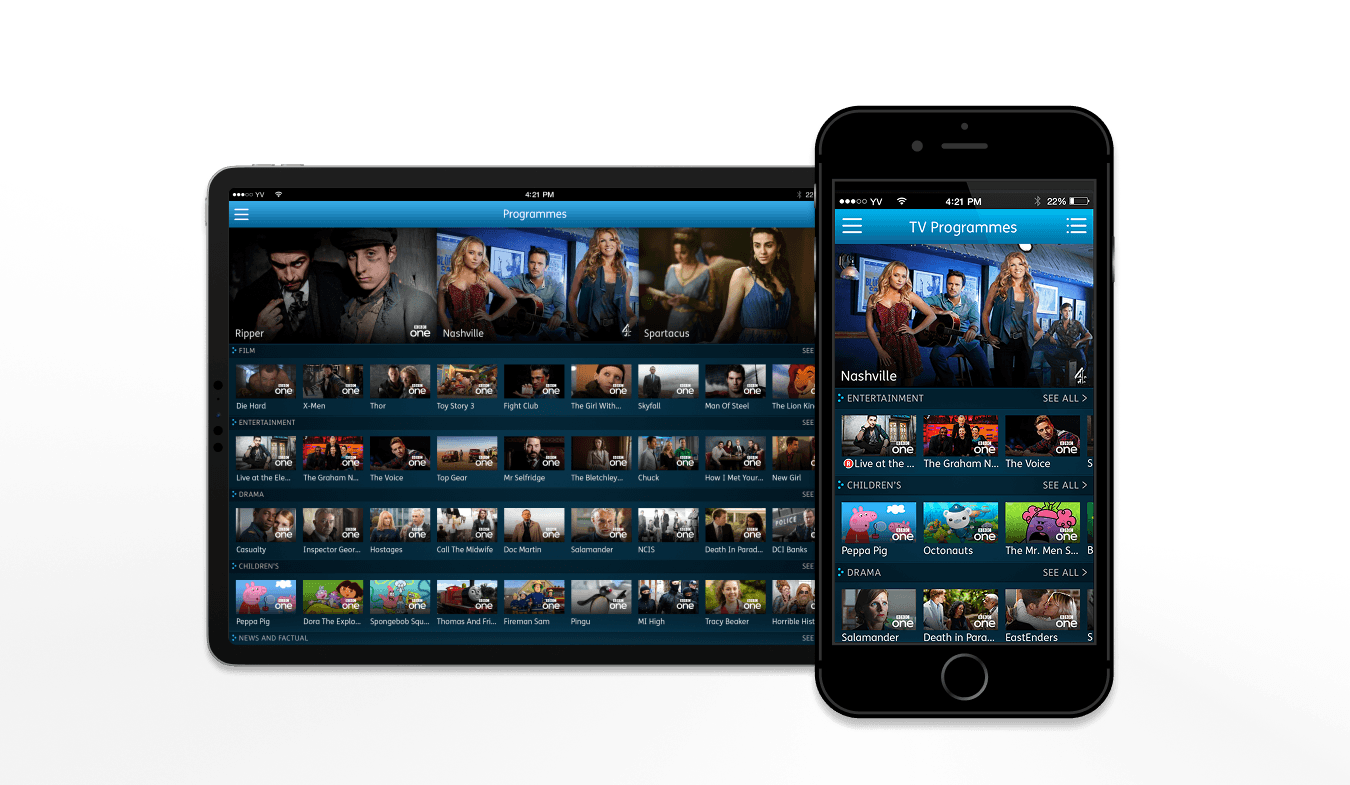
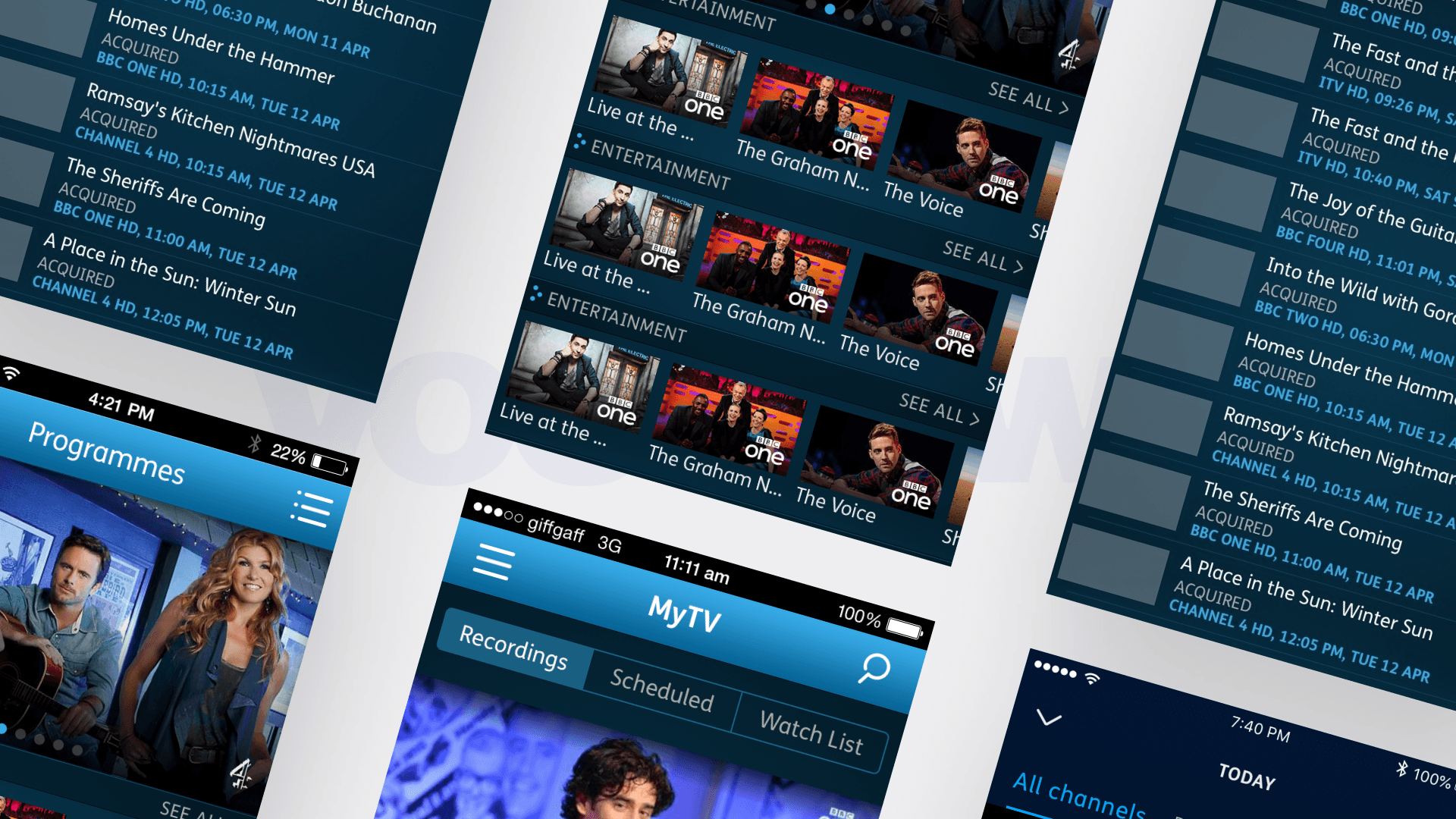
The mobile app began as a companion experience. It combined core set-top box functionality—guide and search—with new mobile-native patterns such as forward linear discovery and channel day views.
This reflected a broader behavioural shift. Users were no longer discovering content exclusively on the TV. Mobile became a planning and control surface for the living room experience.
My role
Led UX across the YouView mobile experience.
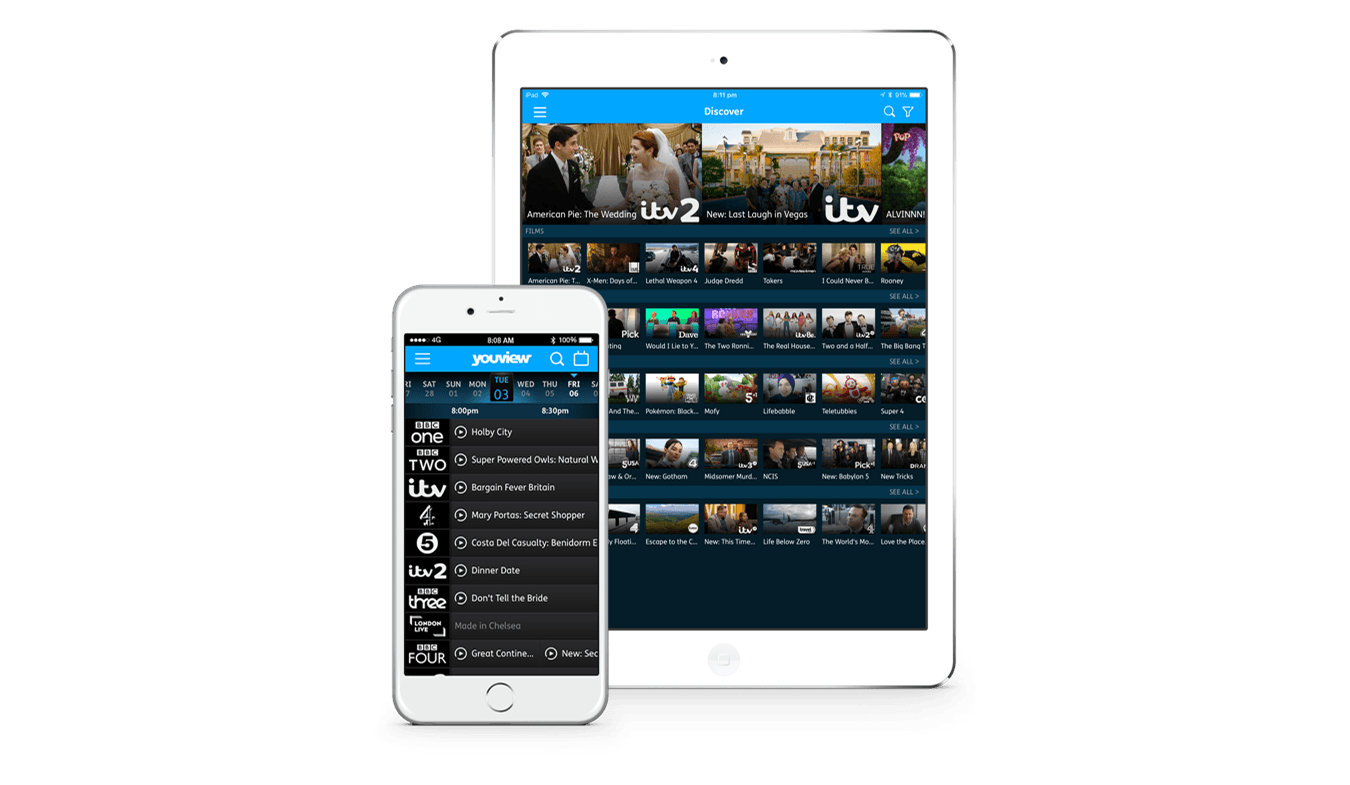
I defined interaction models for linear discovery on touch devices, established accessibility standards, and aligned product, engineering, and external stakeholders around a coherent mobile strategy.
I worked closely with the BBC Accessibility Team and RNIB to ensure the product met Ofcom accessibility expectations.
Process
We reframed the app as a system layer, not just a companion.
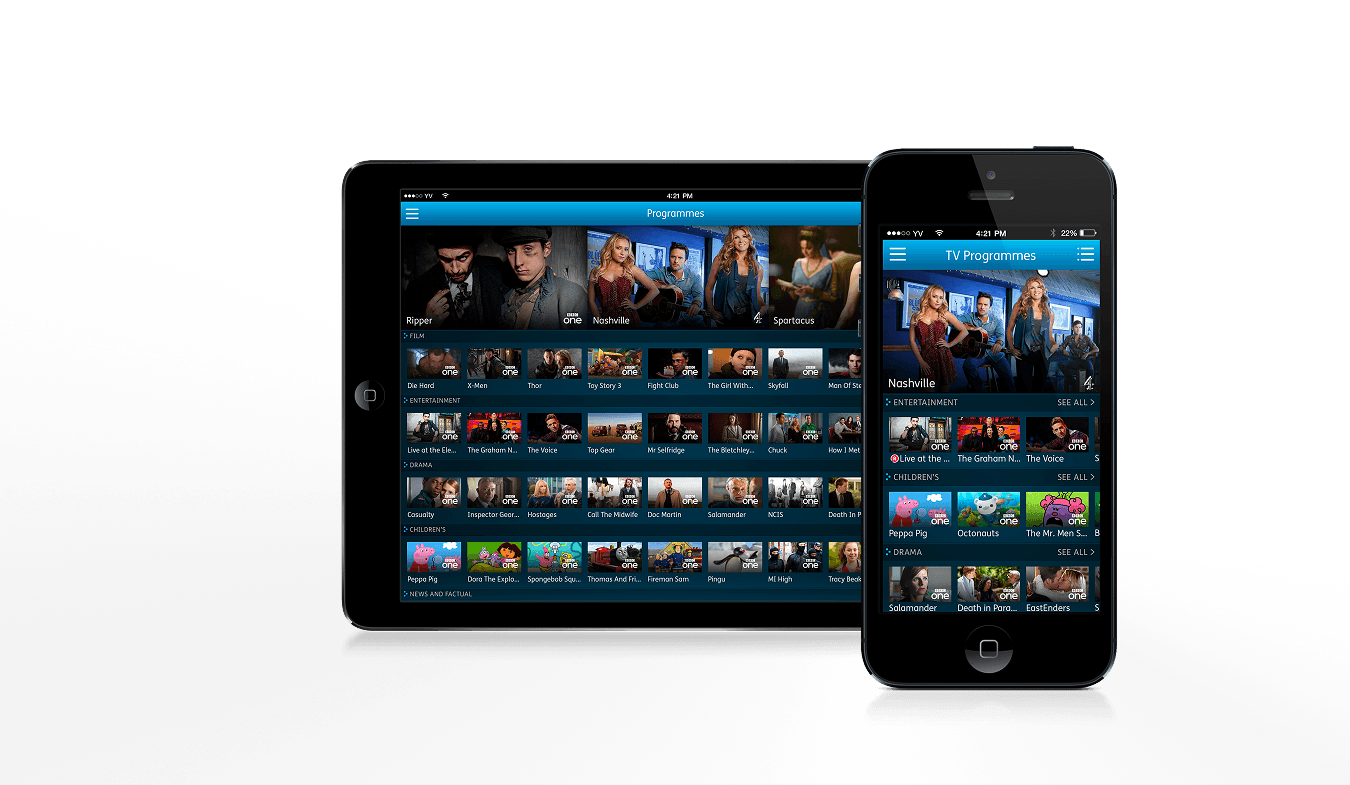
Core journeys—browse, search, record, and play—were redesigned for touch. We introduced new discovery patterns that reduced friction and improved scanability.
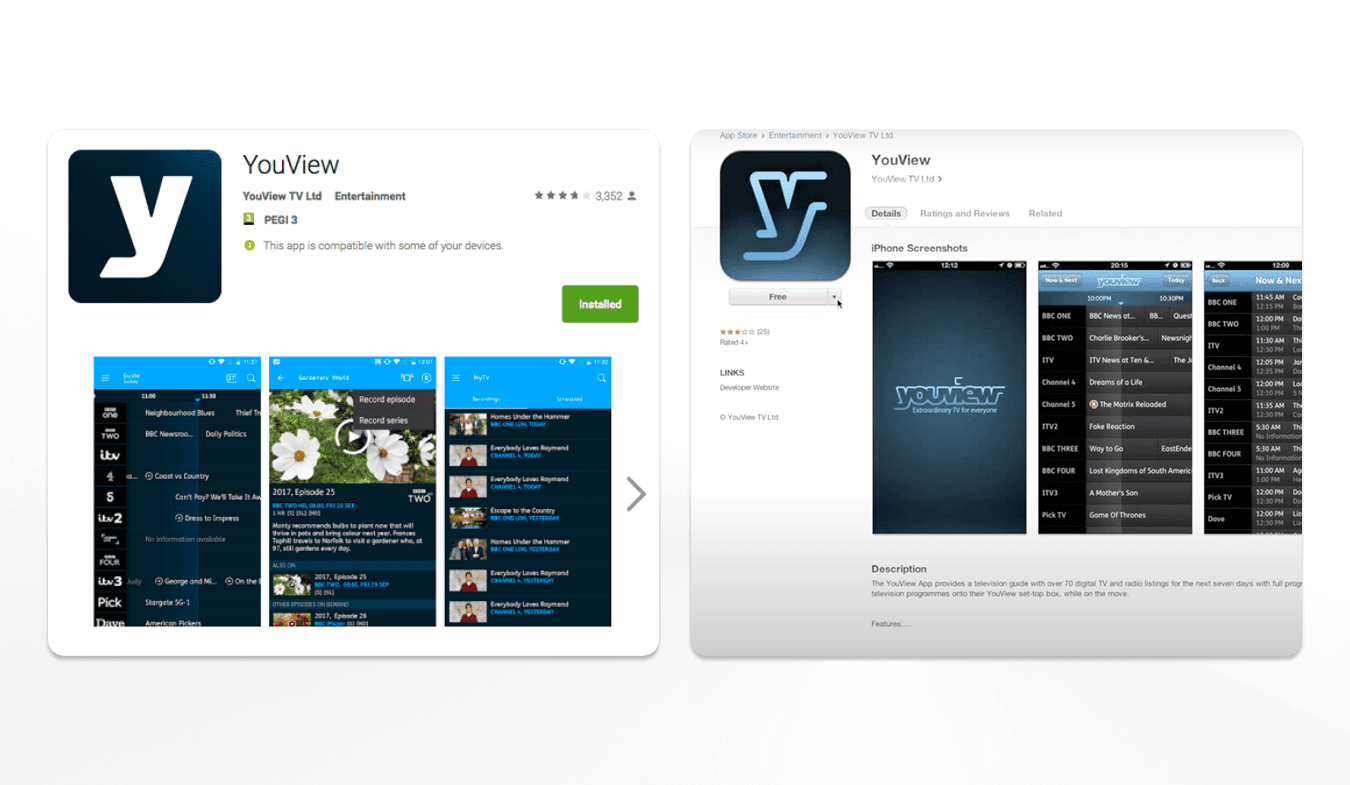
We iterated continuously using behavioural data from Google Analytics and feedback from the App Store and Google Play. Product decisions were grounded in measurable outcomes.
Accessibility was embedded into every deliverable. UX specifications defined exactly what screen readers should announce, ensuring consistency across VoiceOver and TalkBack.
Key design decisions
Reimagine linear discovery for mobile
We introduced forward linear discovery and channel day views. These reduced cognitive load and made it easier to scan upcoming content without navigating complex grids.
Unify broadcast and on-demand behaviours
The app allowed users to watch on-demand content and book recordings in one place. This aligned linear and non-linear journeys into a single system.
Design accessibility into the system
We defined what content should be read aloud, how focus should move, and how gestures should translate into accessible interactions. Accessibility became a core interaction model, not an afterthought.
Use data to drive iteration
Feature development was guided by behavioural data and user feedback. This ensured the product evolved in line with real user needs.
Balance parity and innovation
We retained familiar patterns from the set-top box while introducing mobile-native improvements. This reduced learning curves while improving efficiency.
Outcome
The YouView mobile app became a key part of the platform experience.
It enabled users to watch on-demand content, browse the guide, and schedule recordings from anywhere. The product delivered a more flexible and responsive way to interact with TV.
Despite a relatively focused feature set, the app achieved strong user ratings and engagement, validating the emphasis on usability and clarity.
Impact
The project established mobile as a critical surface within the YouView ecosystem.
It demonstrated how linear TV discovery could be reinterpreted for touch interfaces while maintaining the strengths of broadcast navigation. This helped future-proof the platform as viewing behaviours shifted.
Accessibility work ensured compliance with Ofcom requirements and significantly improved usability for visually impaired users. Collaboration with RNIB and the BBC Accessibility Team raised the standard for inclusive design across the product.
The app’s later removal prompted strong user backlash, highlighting its value. Users had integrated it into their daily viewing routines, reinforcing the importance of multi-device experiences in TV ecosystems.