Designing Scalable Digital Platforms for Scientific Publishing

At Nature Publishing Group, I worked as an Interaction Designer across large-scale scientific publishing platforms, contributing to award-winning digital products that balanced accessibility, editorial rigour, and global scale.
Problem Area
Scientific publishing was transitioning to digital, but existing platforms struggled to support dense, interconnected content at scale. Nature needed a system that could balance readability, discoverability, and accessibility across a rapidly expanding portfolio of journals.
Context
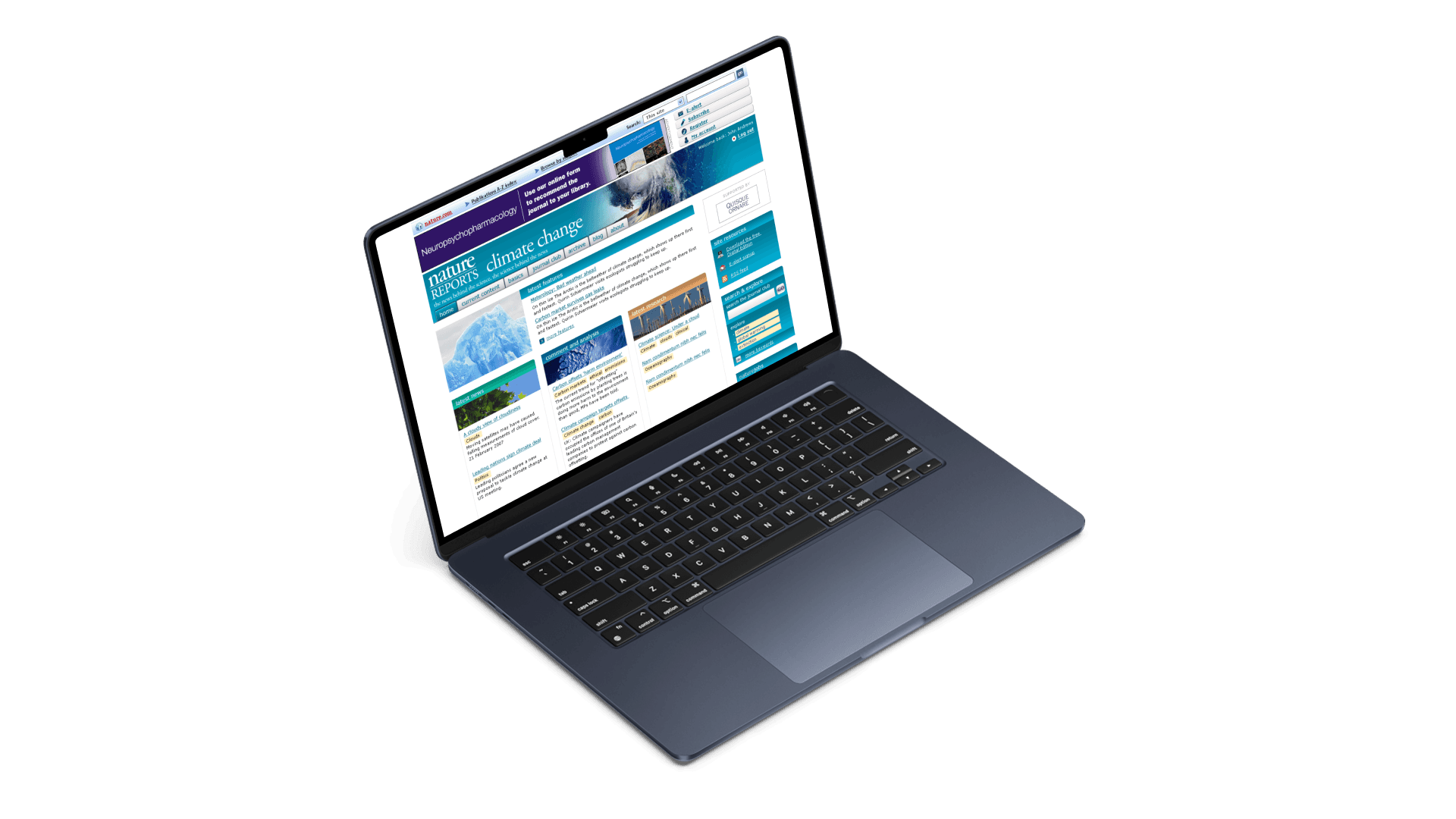
Between 2004 and 2008, Nature was shifting to a digital-first model while expanding its journal portfolio. This introduced challenges around scalability, accessibility, and consistency.
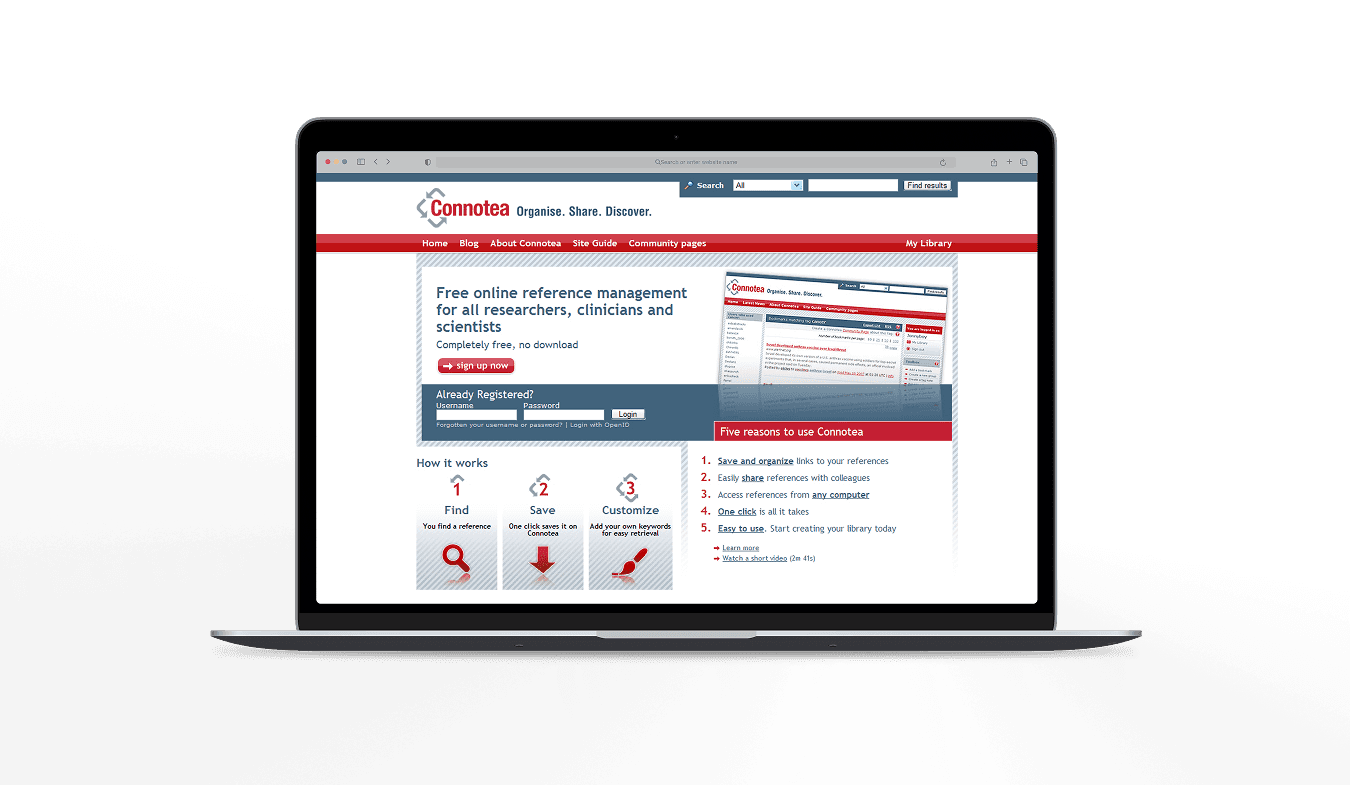
At the same time, Nature began exploring early product and community models through platforms such as Connotea and Nature Network. These initiatives extended beyond publishing into platform thinking and services for researchers.

My Role
I worked as an Interaction Designer within a cross-functional team, defining information architecture, interaction models, and front-end behaviours.
I contributed across the full design-to-build lifecycle, including wireframing, prototyping, visual design, and W3C-compliant front-end implementation. I also led and contributed to usability testing, including a Masters dissertation focused on Nature platforms.

Process
I established an evidence-led design approach grounded in usability testing and iterative validation.
I mapped complex scientific content into clear information architectures, using wireframes and HTML prototypes to test hierarchy, readability, and navigation. Close collaboration with engineering ensured designs worked within early web constraints and fragmented browser environments.

Key Design Decisions
Designing for dense content
Structured layouts prioritised readability and scanning while preserving scientific accuracy.
Establishing scalable patterns
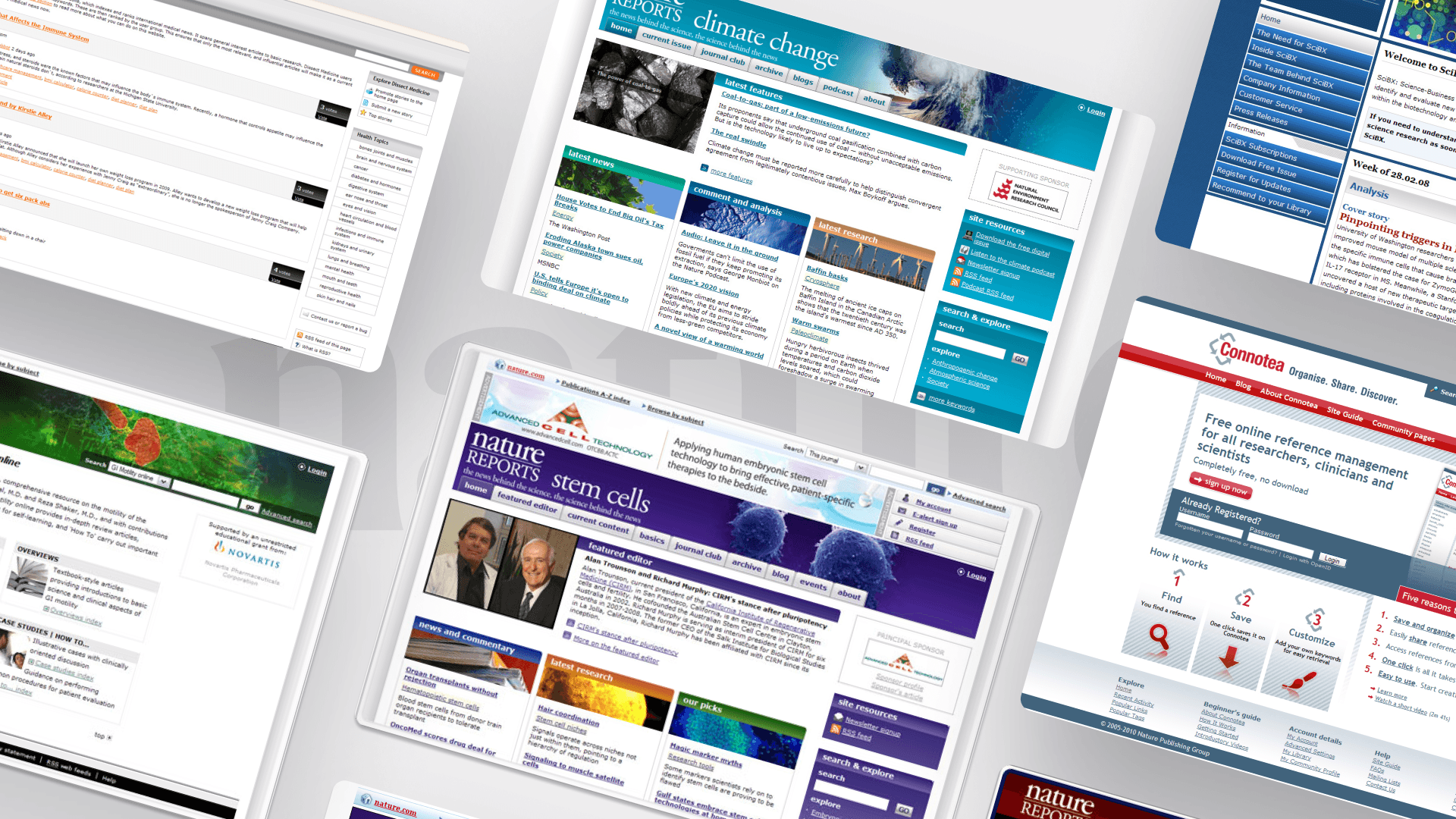
Defined reusable templates to support consistency across multiple journals.
Balancing system and flexibility
Created a core system with controlled variation for editorial needs.
Embedding accessibility
Aligned with W3C standards to ensure cross-browser and assistive technology support.
User Testing & Research
User testing informed key decisions across navigation, content structure, and readability.
I conducted usability testing across Nature platforms, focusing on discoverability, comprehension, and accessibility. This work was extended through my Masters dissertation, which applied formal research methods to evaluate how users interact with complex scientific content online.

Systems & Collaboration
I helped define reusable design patterns that scaled across Nature’s publishing ecosystem.
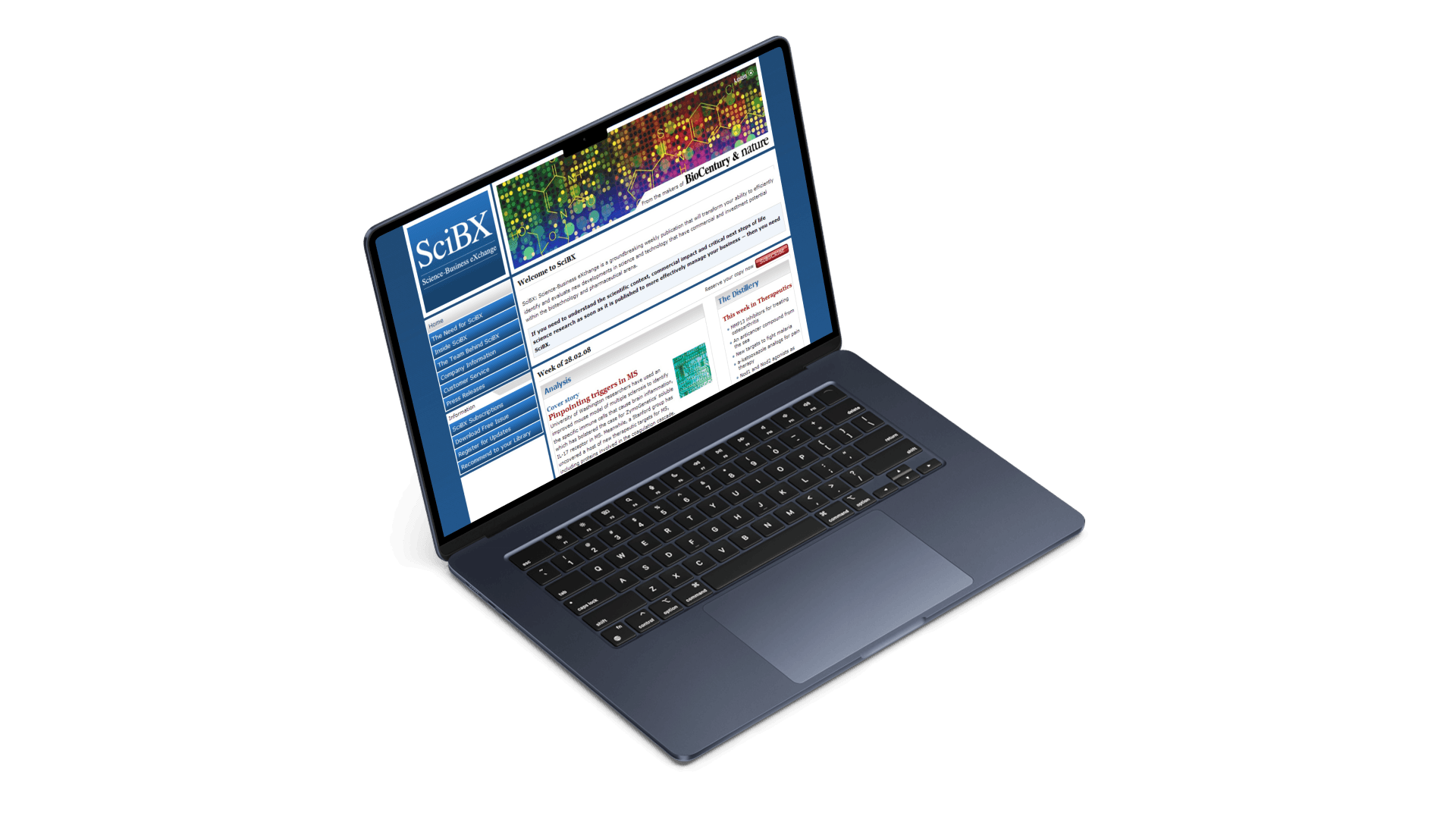
Working closely with editorial and engineering teams, I aligned user needs, content structures, and technical constraints. This enabled faster rollout of new journals while maintaining consistency and quality.
Outcome and Impact
The work contributed to a more scalable and consistent digital platform across Nature’s journal portfolio.
Interfaces became easier to navigate, improving readability and content discovery for a global audience. Reusable templates reduced duplication and increased delivery efficiency across teams.
This work formed part of Nature’s Webby Award-winning digital portfolio in 2008, validating the shift towards structured, user-centred design in scientific publishing.
Award